
Sinus Treatment in Surprise, AZ
Still Dealing With Sinus Pressure or Congestion?
A sinus infection can make an ordinary day feel miserable. Your nose is blocked, your face feels heavy, and the drainage down your throat seems never-ending. Usually, these symptoms improve. But if they linger for weeks or keep coming back, there’s a reason to look beyond another round of cold medicine.
Sometimes, what feels like another sinus infection is actually ongoing inflammation, allergies, or a problem with how your sinuses drain.
At Oasis ENT in Surprise, AZ, we see patients with everything from recent sinus infections to years of recurring congestion. Our team looks at what’s causing the problem before recommending treatment, whether that’s medication, allergy care, or a procedure to improve sinus drainage.

Direct Answer
What Is Sinus Treatment?
Sinus treatment focuses on identifying and addressing the causes of symptoms such as persistent nasal congestion, facial pressure, postnasal drip, and recurring sinus infections.
Depending on the diagnosis, treatment may include saline rinses, nasal corticosteroid sprays, allergy management, medications, balloon sinuplasty, or endoscopic sinus surgery.
The appropriate approach depends on your symptoms, medical history, examination findings, and response to previous treatments.
What Is Sinusitis?
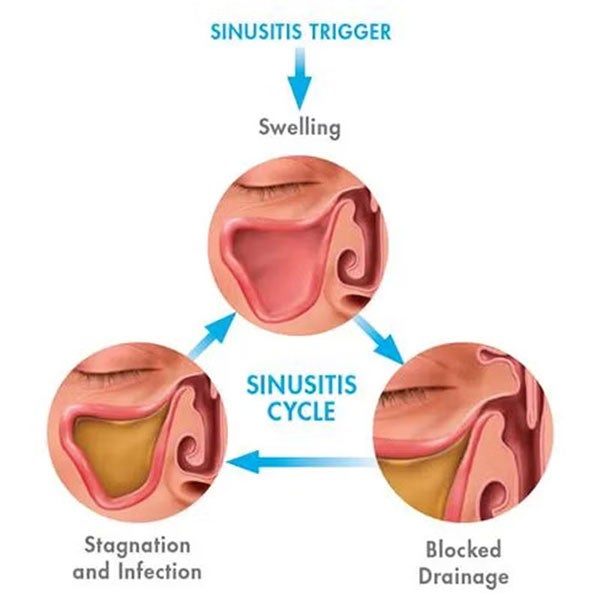
Sinusitis, also called rhinosinusitis, involves inflammation of the tissues lining the nose and sinuses.
Your sinuses are air-filled spaces behind your cheeks, forehead, and eyes. Their lining makes mucus, which normally drains into your nose.
When that lining becomes inflamed, the drainage openings can narrow, leaving you congested or feeling pressure around your face.
Sinusitis is generally classified into three categories:
- Acute sinusitis: Symptoms develop suddenly and last less than four weeks.
- Chronic sinusitis: Symptoms continue for 12 weeks or longer, with objective evidence of ongoing inflammation in the nose or sinuses.
- Recurrent acute sinusitis: Four or more separate episodes of acute sinusitis occur within a year, with symptoms resolving between episodes.
Understanding which type of sinusitis you have helps guide appropriate treatment.
Signs You May Need Sinus Treatment
An occasional stuffy nose or sinus headache doesn’t necessarily mean you need specialized treatment. However, symptoms that persist, repeatedly return, or interfere with daily activities may warrant an ENT evaluation.
Common symptoms include:
- Persistent nasal congestion
- Thick nasal discharge or postnasal drip
- Recurring sinus infections
- Difficulty breathing through the nose
- Facial pressure around the cheeks, eyes, or forehead
- A reduced sense of smell
- Headaches that occur alongside sinus symptoms
- Coughing or trouble sleeping because of congestion
An ENT specialist can help determine whether sinus inflammation or another condition is contributing to your symptoms.
What Causes Sinusitis?
Acute sinusitis commonly develops after a viral upper respiratory infection, such as a cold. Some cases may involve bacterial infection.
Chronic or recurring sinus problems may be associated with several contributing factors, including:
- Ongoing inflammation inside the nose and sinuses
- Allergies or allergic rhinitis
- Nasal polyps
- Structural issues affecting sinus drainage
- Asthma or certain inflammatory conditions
- Immune system disorders in selected patients
In Surprise and surrounding West Valley communities, dry air and airborne dust may also irritate the nasal passages and worsen congestion.
However, irritation alone doesn’t necessarily mean you have a sinus infection.
Direct Answer
Can Allergies Cause Chronic Sinus Problems?
Yes. Allergies can contribute to swelling and inflammation inside the nasal passages, potentially worsening congestion and affecting sinus drainage.
For some patients, allergic inflammation may contribute to symptoms that overlap with chronic sinusitis, including nasal congestion, facial pressure, and postnasal drip.
However, allergies and chronic sinusitis are different conditions. Not everyone with allergies develops chronic sinusitis, and not every recurring sinus problem is caused by allergies.
Sinus Treatment Options at Oasis ENT
Treatment for sinus problems depends on the underlying cause, symptom severity, sinus anatomy, examination findings, and response to previous treatments.
Some patients improve with medication and supportive care. Others may benefit from additional evaluation or a procedural treatment option.
Home Care and Saline Irrigation
For mild sinus symptoms, saline nasal rinses may help clear mucus and irritants from the nasal passages.
If you’re using a sinus rinse bottle or neti pot, use distilled, sterile, or previously boiled and cooled water rather than ordinary tap water.
Other supportive measures, such as staying hydrated and using a clean humidifier when indoor air is dry, may help improve comfort.
These approaches can help manage symptoms but may not resolve chronic inflammation or structural obstruction.
Medications for Sinusitis
Medication is often an initial treatment approach for sinusitis.
Depending on your diagnosis, your provider may recommend:
- Nasal corticosteroid sprays to help manage inflammation
- Saline nasal irrigation
- Allergy medications when allergic symptoms are present
- Pain relief or other supportive care when appropriate
Antibiotics may be recommended for selected bacterial sinus infections. However, many acute sinus infections are caused by viruses and don’t require antibiotics.
Even some uncomplicated bacterial sinus infections can be managed initially with observation when appropriate.
If symptoms persist despite treatment, an ENT specialist can reassess the diagnosis and discuss additional options.
Balloon Sinuplasty
For some patients with chronic or recurrent sinusitis, narrowed sinus drainage openings may contribute to ongoing symptoms.
Balloon sinuplasty is a minimally invasive procedure that uses a small, flexible balloon to widen selected sinus openings.
During the procedure, the balloon is guided into the affected opening, gently inflated, and then removed. When performed on its own, balloon sinuplasty doesn’t require cutting or removing sinus tissue or bone.
For appropriately selected patients, the procedure may be performed in an office setting.
Balloon sinuplasty isn’t appropriate for every sinus condition. Your ENT specialist will review your symptoms, examination findings, previous treatments, and sinus imaging before determining whether it may be an option.
Endoscopic Sinus Surgery
Sometimes, medication and less invasive procedures aren’t enough to address persistent sinus problems.
Functional endoscopic sinus surgery (FESS) may be considered for selected patients with chronic sinusitis, nasal polyps, or certain types of sinus obstruction.
During the procedure, a surgeon uses a small camera and specialized instruments through the nostrils to open blocked sinus pathways and, when necessary, remove tissue contributing to the obstruction.
Surgery isn’t necessary for everyone with chronic sinusitis. Whether it’s appropriate depends on the specific condition, clinical findings, and response to previous treatment.
Direct Answer
What Is the Most Common Treatment for Chronic Sinusitis?
Treatment for chronic sinusitis commonly begins with saline nasal irrigation and intranasal corticosteroid medications to help manage inflammation.
Additional treatments may be recommended depending on the underlying cause, the presence of nasal polyps, and how well symptoms respond to medical management.
For selected patients with persistent symptoms and appropriate clinical findings, balloon sinuplasty or endoscopic sinus surgery may be considered.

What Happens During a Sinus Evaluation?
If your sinus symptoms keep returning or haven’t improved with treatment, an ENT evaluation can help clarify what’s causing them.
Your provider will typically begin by reviewing your symptoms, including how long they’ve lasted, how often they occur, and which treatments you’ve already tried.
A physical examination of your nose and nasal passages can help identify potential sources of inflammation or obstruction.
For persistent symptoms, nasal endoscopy may provide a closer view of the nasal passages. Oasis ENT also offers in-office CT imaging, which may be recommended when chronic sinusitis is suspected or a procedure is being considered.
Imaging isn’t routinely needed for an uncomplicated acute sinus infection.
Based on these findings, your ENT provider can explain your diagnosis and discuss appropriate treatment options.
When Should You See a Sinus Specialist in Surprise, AZ?
Most short-lived sinus symptoms improve with time and supportive care. However, recurring or persistent symptoms may need additional evaluation.
Consider scheduling an appointment if you experience:
- Nasal congestion or sinus pressure that continues for weeks
- Symptoms that repeatedly improve and return
- Several separate sinus infections within a year
- Persistent symptoms despite appropriate medication
- Nasal obstruction that interferes with breathing or sleep
An ENT specialist can help distinguish between sinusitis, allergies, and other conditions that may cause similar symptoms.
Direct Answer
When Should You Seek Treatment for Sinus Problems?
Consider an ENT evaluation if sinus symptoms last more than 10 days without improvement, worsen after initially improving, repeatedly return, or persist despite appropriate treatment.
Severe symptoms, including swelling around the eyes, vision changes, or a severe headache accompanied by concerning neurological symptoms, require prompt medical attention.
Sinus Treatment FAQs
Recurring sinus infections may be associated with repeated viral infections, allergies, ongoing inflammation, nasal polyps, or structural issues affecting sinus drainage.
Dry air and dust common in the West Valley may also worsen nasal symptoms, although they don’t necessarily cause sinus infections.
Consider seeing an ENT specialist if symptoms persist despite appropriate treatment, repeatedly return, or interfere with daily activities.
An evaluation can help determine whether chronic sinusitis, allergies, or another condition is contributing.
Sinusitis can cause facial pressure and discomfort that some patients describe as a headache.
However, headaches can have many causes, including migraine, so an evaluation may be helpful when the cause isn’t clear.
Yes. Many acute sinus infections, particularly those caused by viruses, improve without antibiotics.
However, persistent, worsening, or recurring symptoms may require further evaluation.
Sinusitis involves inflammation of the nose and sinuses, often following a viral illness. Allergies occur when the immune system reacts to substances such as pollen, dust mites, or pet dander.
Both can cause congestion and postnasal drip, but itching and frequent sneezing are more characteristic of allergies.
Yes. Dry air can irritate the nasal passages and contribute to dryness, crusting, and congestion for some people.
However, dry air alone doesn’t necessarily cause a sinus infection.
Balloon sinuplasty is a minimally invasive procedure that uses a small balloon catheter to widen selected sinus drainage openings.
It may help improve drainage for appropriately selected patients with chronic or recurrent sinusitis.
Balloon sinuplasty may be considered when chronic or recurrent sinusitis hasn’t responded adequately to appropriate medical treatment.
An ENT specialist will review your symptoms, examination findings, previous treatments, and imaging to determine whether the procedure may be appropriate.
Insurance coverage varies depending on your plan, diagnosis, medical necessity, and recommended treatment.
Contact your insurance provider or Oasis ENT to discuss coverage and potential out-of-pocket costs.
Why Choose Oasis ENT?
At Oasis ENT, we understand that recurring sinus symptoms can have several possible causes. Our approach focuses on identifying what’s contributing to your symptoms and discussing treatment options based on your individual needs.
Our approach to sinus care includes:
- Comprehensive sinus evaluations: Reviewing symptoms, medical history, and clinical findings to identify potential causes.
- In-office CT imaging: Providing diagnostic imaging when clinically indicated to evaluate sinus inflammation and anatomy.
- Medical and procedural treatment options: Discussing medications, balloon sinuplasty, or sinus surgery when appropriate.
- Individualized treatment planning: Considering your symptoms, previous treatments, and overall health before recommending next steps.
- Local ENT care: Serving patients in Surprise and surrounding West Valley communities.
Our goal is to help patients better understand their sinus symptoms and make informed decisions about their care.
Learn More About Your Sinus Treatment Options in Surprise, AZ
If you’re dealing with persistent congestion, facial pressure, postnasal drip, or recurring sinus infections, an ENT evaluation can help determine what’s causing your symptoms.
At Oasis ENT in Surprise, AZ, we provide sinus evaluations and treatment options for patients throughout the West Valley, including surrounding communities such as Sun City, Peoria, and El Mirage.
Whether your symptoms started recently or have been bothering you for months, our team can help you understand your options and discuss the next steps in your care.